Welcome

The issues of the teacher librarians and para-professionals in California School Libraries. Please share your concerns, feedback and questions.

Thursday, January 12, 2017

Attend CUE 2017


Attend CUE for $75!!
No joke. CSLA is seeking six members to attend the March CUE conference in Palm Springs at very little cost – only $75. Yes, there is a catch. In exchange for your admittance ticket, valued at $280, you will volunteer to staff the CSLA booth for a six hours during the conference March 16 – 18. You do not need to be a CUE member to take advantage of this offer but you are required to be a CSLA member.
You will be responsible for your own transportation, meals and accommodations.
CSLA will NOT create purchase orders or invoices.
Visit the CUE website for further information about the conference. http://www.cue.org/conference
Contact Silvia Gutierrez at joeeg@earthlink.net if you are interested in this offer!


CSLF: Library Advocacy Store


By CSLF President, Tom Kaun

About ten years ago, at the height of the (then) crisis in California school library staffing, the CSLA Board decided that it might be a good idea to solicit some well-known children’s illustrators to design materials that could be used in the new “Save California School Libraries” campaign. Pat Nelson, of Mrs. Nelson’s Bookstore offered to invite author/illustrators that he knew. One of the first designs given to CSLA was by the amazing Brian Selznik: The image of a young boy carrying a banner with the words “Save California School Libraries” on it. CSLA member Jackie Siminitus, with encouragement from the Board, offered to upload the images to a new online service, CafePress. This allowed CSLA to get a small revenue stream while offering library advocates mugs, note cards, t-shirts and other products that promoted libraries and reading through the Library Advocacy Store.

Soon other illustrators including David Shannon, Gene Yuen, Naomi Howland, Aliki, Nancy Hayashi, Marianne Wallace, and Mary Anne Frazer contributed designs as well. All of them promoted school libraries or books and reading. The best part was that all the designs were donated to CSLA and could be made available in a number of different ways.

When Jackie retired from AT&T, she took classes in graphic design and began putting her own designs on the site as well. Her “Big-Eye Readers” were an instant hit and and a great way to engage middle school students (where she volunteered each morning) while practicing her new Adobe Illustrator design skills.

Recently the California School Library Foundation assumed responsibility for the Library Advocacy Store. Although Jackie no longer maintains the site, it still brings in about $200 annually for the Foundation. The store needs a new manager to promote and revitalize it. In the past few years, social media has blossomed, so promoting the Library Advocacy Store is much easier.  Could it be you?

Some have suggested that one of the reasons they don’t sell more items from CafePress is that it’s more expensive than some other sites. Since the designs belong to CSLA/CSLF, they can be moved anyplace. CSLA/CSLF doesn’t need to continue the CafePress relationship since there is no obligation to them. Suggestions for a different digital location are welcome!

CSLA still needs to “Save California School Libraries.” We still need funding for scholarships and professional and para-professional development opportunities for our members. One way we can get the best outcome for all the work Jackie, Pat, and all those artists put into this project is to promote the library advocacy items for sale to the entire world. We know it’s possible. We just need that one special person to step up and help us out. Could it be you?

If you are at all interested, know someone who might be interested, or have suggestions, please contact me at foundation@csla.net. I’d love to hear from you. Could it be you?

Check out the Library Advocacy Store at <http://www.cafepress.com/csla>.

Note: If you have additional questions, members are encouraged
to contact Jackie@JackieDesigns.net

Sunday, November 6, 2016

5 Great Reasons to Attend the CSLA 2017 Annual Conference

by Sue Heraper
President, California School Library Association

The following arguments will help make the case to your administration that attendance at the February CSLA conference will benefit the entire school because:

1.  You will save your school money.
  • CSLA workshops and sessions provide time-saving and money-saving ideas.  
  • The many exhibits will give you an opportunity to review products and services that might fit the exact needs of your school. This networking with vendors is invaluable, often providing cost-saving solutions.
  • The “Exhibitor Learning Sessions” are an ideal way to see demonstrations of new products and preview new product lines.
  • One of your important duties is selecting resources for your library, and the CSLA conference includes experts in Young Adult and Children’s literature.  We have over forty authors in attendance at a “Mix & Mingle” event, numerous author panels and sessions for you to attend, as well as the California Young Reader Medal Banquet, with honored guest author Kristin Cashore.
  • If you register by Tuesday, November 8, you will save even more money with Early Bird pricing.
  • School and district administrators can attend for free! Invite your principal and  other administrators to attend with you. Explain what our state conference has to offer, how much you appreciate their support, and how thrilled you would be to share the many wonderful ideas and information exchanges that takes place at our state conference.

2.  You will become a more effective teacher librarian or library paraprofessional
  • You will learn new ideas and strategies from our two keynote speakers, educational technology experts Tiffany Whitehead and Richard Byrne.
  • Innovative ideas and strategies that you learn in the sessions will enhance your ability to serve your teachers and students and help you manage your time more efficiently.  These include many of the latest technology tools.
  • Learning what has made other programs successful can help you implement the new ideas, or adapt them to your own situation.  For example, there will be a Makerspace event where you can learn about some innovative programming.
  • You will be more valuable to your school because you will have the tools to teach the Common Core State Standards, Model California School Library Standards, Digital Literacy, Internet Safety, Copyright and more.
  • Your professional learning network will grow from meeting people from all over California at the conference.

3.  You will learn how to advocate for your library program
  • Our advocates in Sacramento will share important legislation that affects school library programs.
  • The school library consultant to the California Department of Education will recommend important ideas and strategies to support school library programs.
  • Others will share great ideas on how you can advocate for strong school library programs in the state, and at your site and district level.

4.  You will bring inspiration and excitement to your school library program.
  • ‘Leave behind “conference guilt” - the sense that leaving your campus for PD disadvantages students and teachers. A day of PD many inspire months of great ideas.’ Carolyn Foote, School Library Journal, October 2014, p. 20.
  • The fresh new innovative ideas that you bring to your school will energize your teachers, students and, most of all, yourself!

5. You will show your commitment to innovation and improving services to all stakeholders.

  • Promise yourself that when you return you will provide your administrator with a written report.
  • Share the information you learn from sessions, workshops, vendors, informal meetings and special events with your school staff.


Monday, October 3, 2016

Picture Books in Elementary and Middle Schools

Nancy Cussary TL Francisco Middle School SFUSD
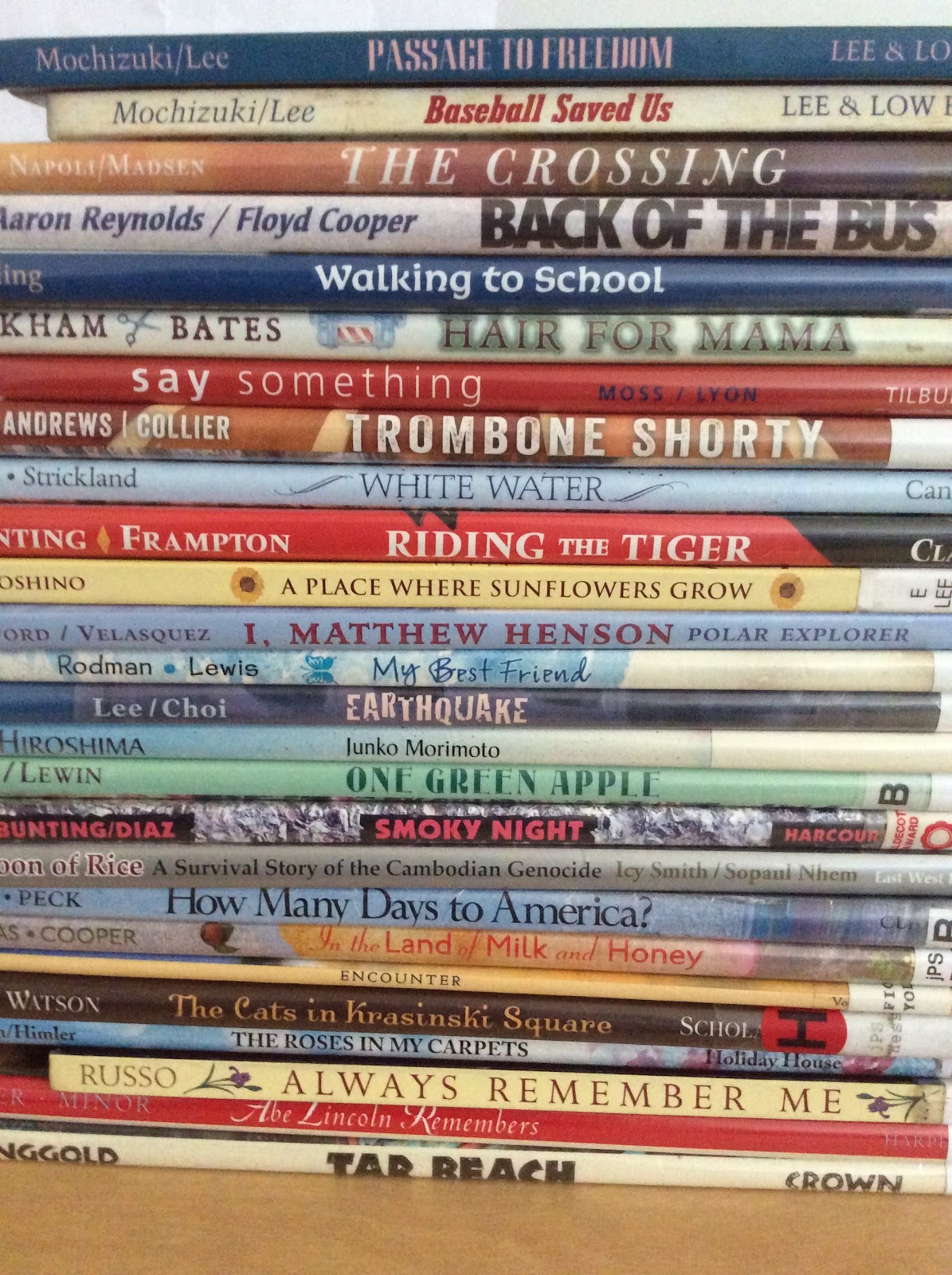
Picture books are very useful in a middle school library. One way we recently used them was to further teach the elements of a story. Using a range of picture books that were personal narratives, representing characters of different cultures and having text of different complexities, students chose a book and read alone or in pairs. They completed a brief note sheet describing the story elements - narrator, characters, plot, conflict, what the student and the characters learned, and how the pictures informed the story.

If you look at the titles in the image, you’ll notice that many can also be used to address historical eras.
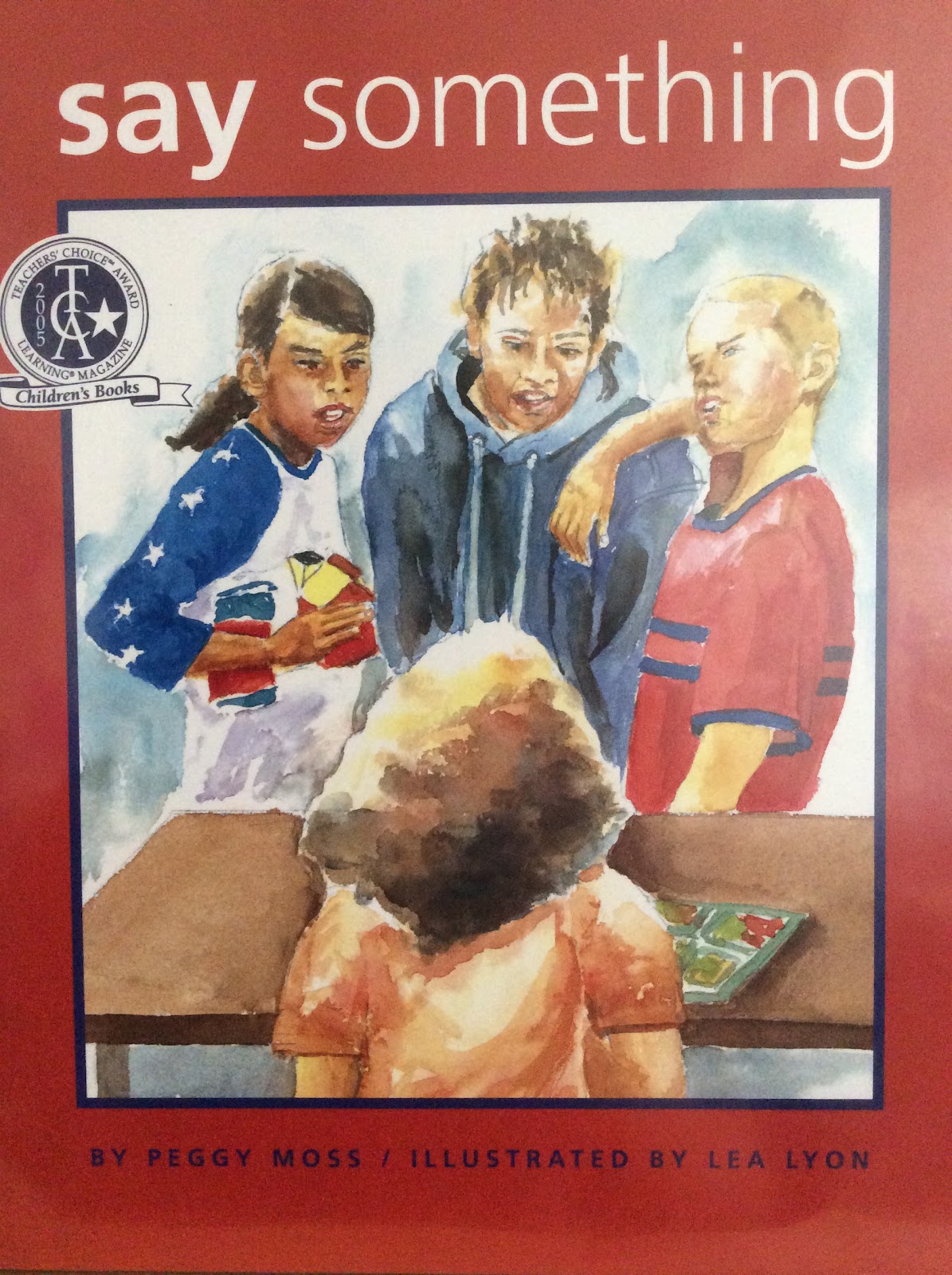

One teacher had her classes read one book and complete the activity together. We used the book Say Something by Peggy Moss because the story takes place in a middle school, is a narrative that is meaningful to students, has characters of different ethnicities, and is accessible across different learning abilities.
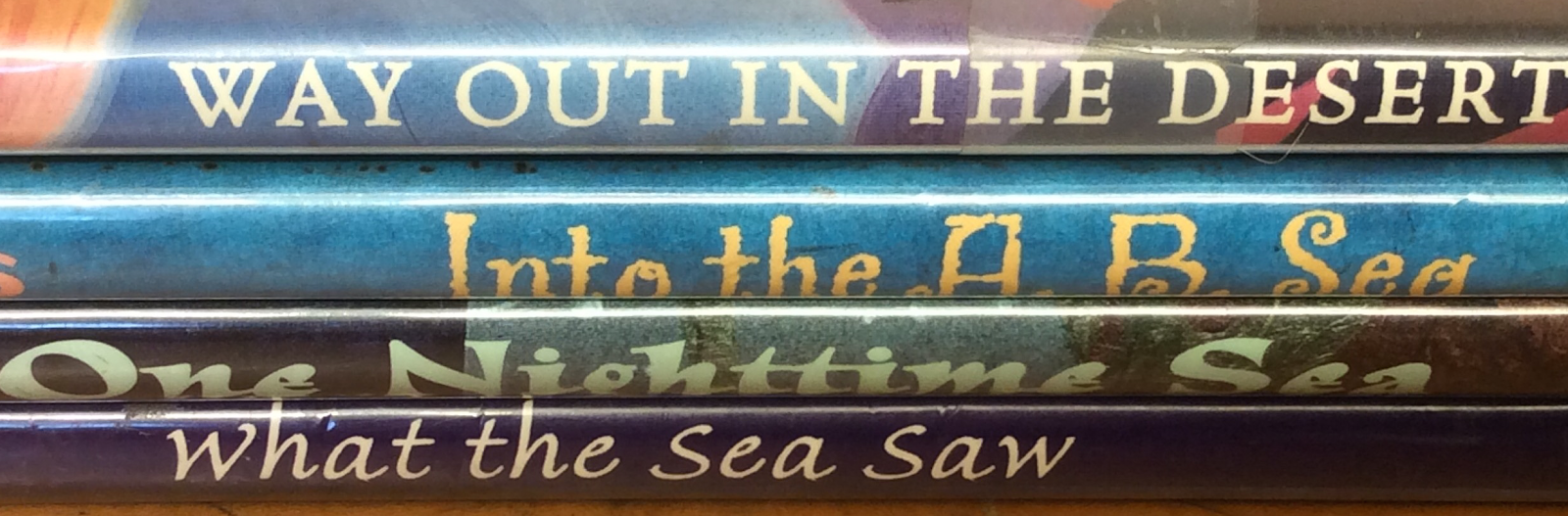

Another activity involving picture books was to use them in a science project on biomes.  Students were asked to create fictional picture books that took place in one biome.  They needed to include information about the environment and different animals and plants found in that biome.  The professionally published picture books served as mentor texts, or examples, for the students.


Lisa Bishop TL Aptos Middle School SFUSD
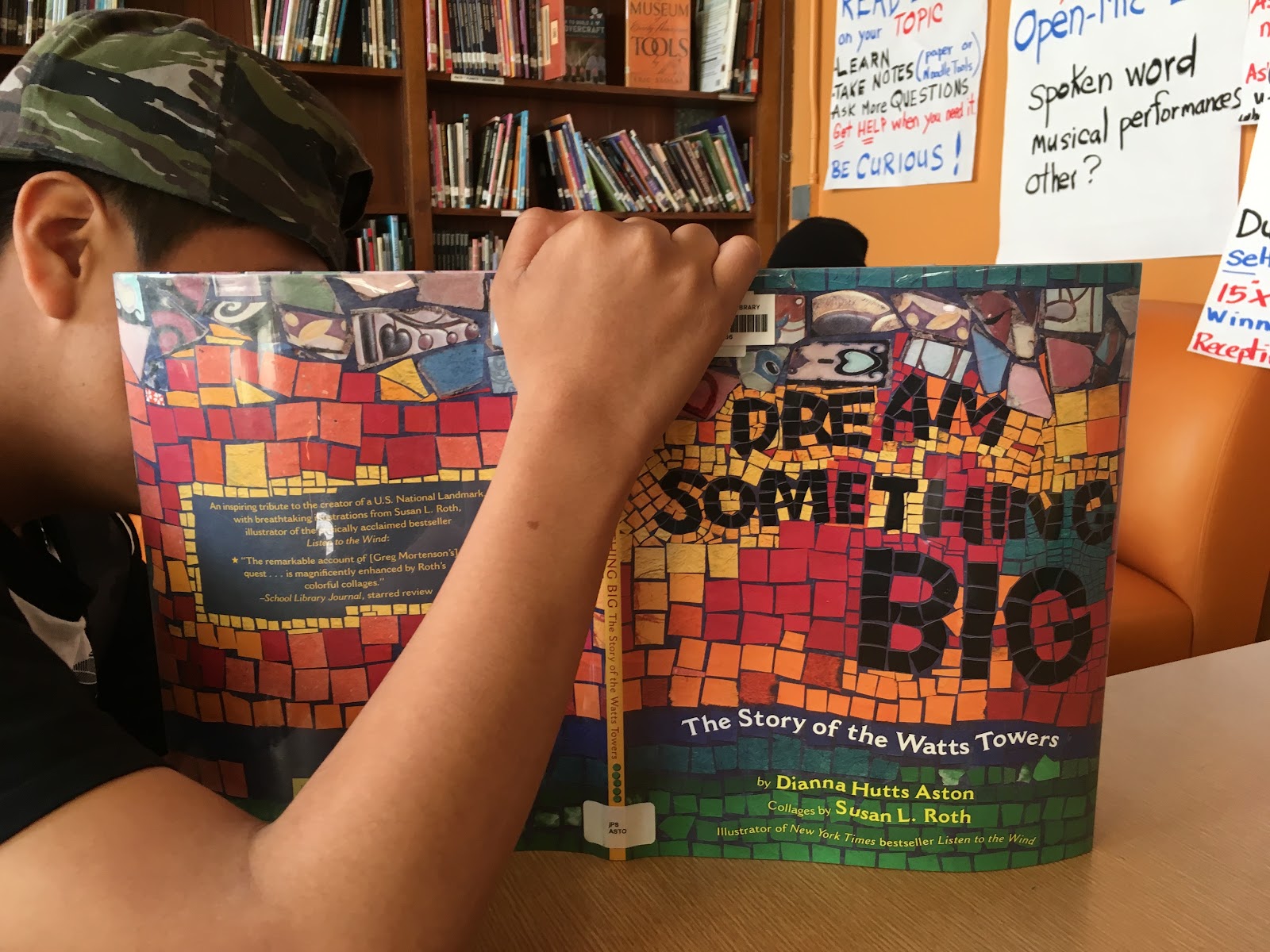
Because I spent most of my teaching career as a 4th/5th grade ELL/Bilingual teacher, Picture Books have been ESSENTIAL to my teaching and to my students “getting it”. I LOVE picture books! The science class I took for my teaching credential program employed a Bay Area 3rd grade teacher who taught us about how she educated herself on unfamiliar science concepts by beginning with children’s picture books and then worked her way up to the college level concepts and vocabulary. I thought that was such great advice. When you don’t know something about a complicated topic, start with a picture book! That is what I do now and teach my students to do as well. Go to Picture Books. 
 IMG_2166.jpg
Currently I’m a middle school Teacher Librarian at a large urban school for 6th-8th graders and many of my students are learning English as a second language and picture books can help a student use visual cues to understand complicated social, political, scientific and historical issues better than dense text on a page without incredible artwork.

Last year a 7th grade ELD class participated in World Read Aloud Day or WRAD. I did a 5 minute introduction to WRAD and a quick book talk of the stack of picture books I had on the tables.  Students paired up and chose a picture book that they were interested in reading aloud to another student. The students spread out all over the library to read aloud to each other. The collaborating teacher and I deemed it a SUCCESS! The students clearly loved the opportunity to read aloud to each other and learn about interesting historical events and the people in those events.

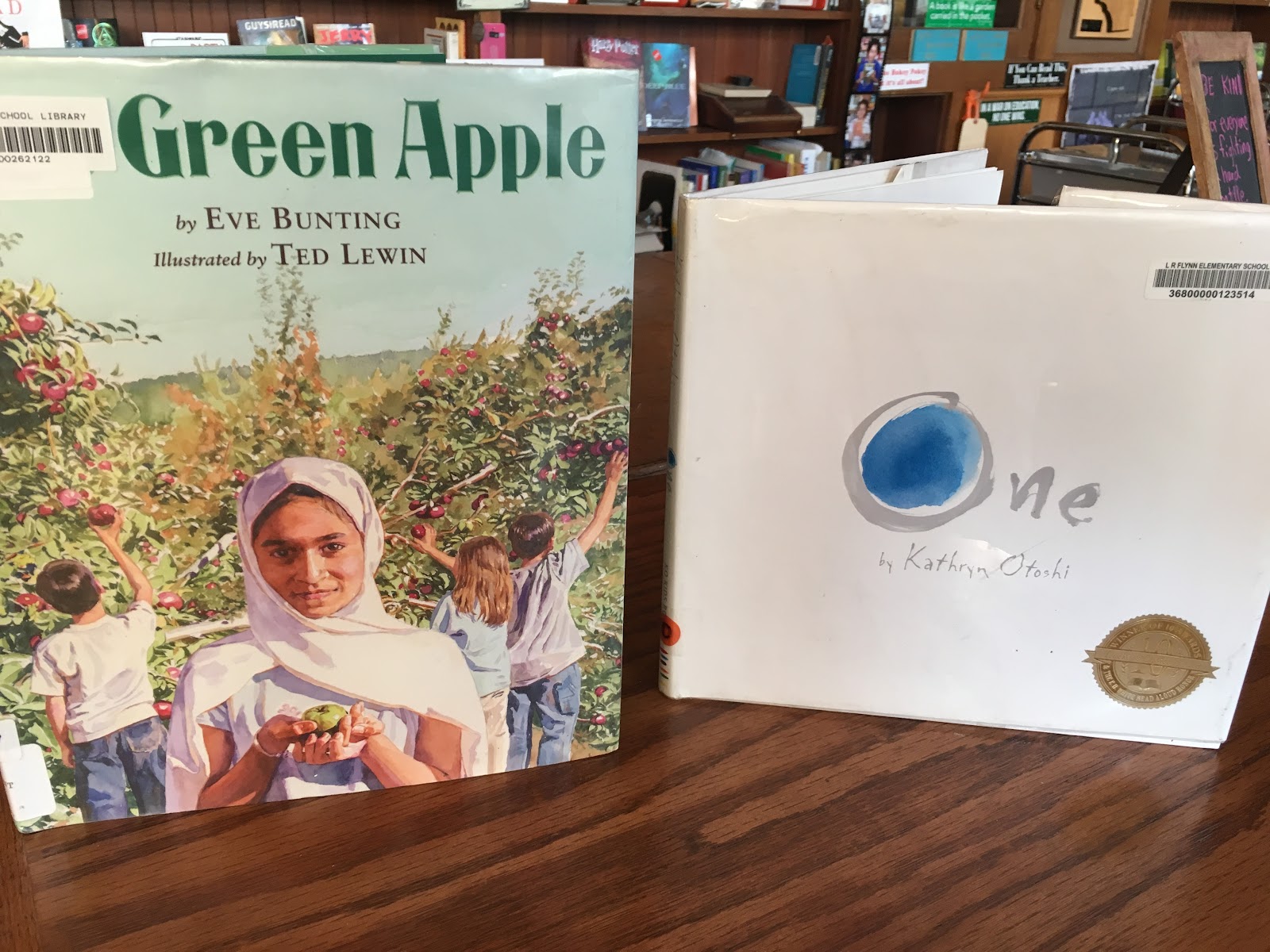
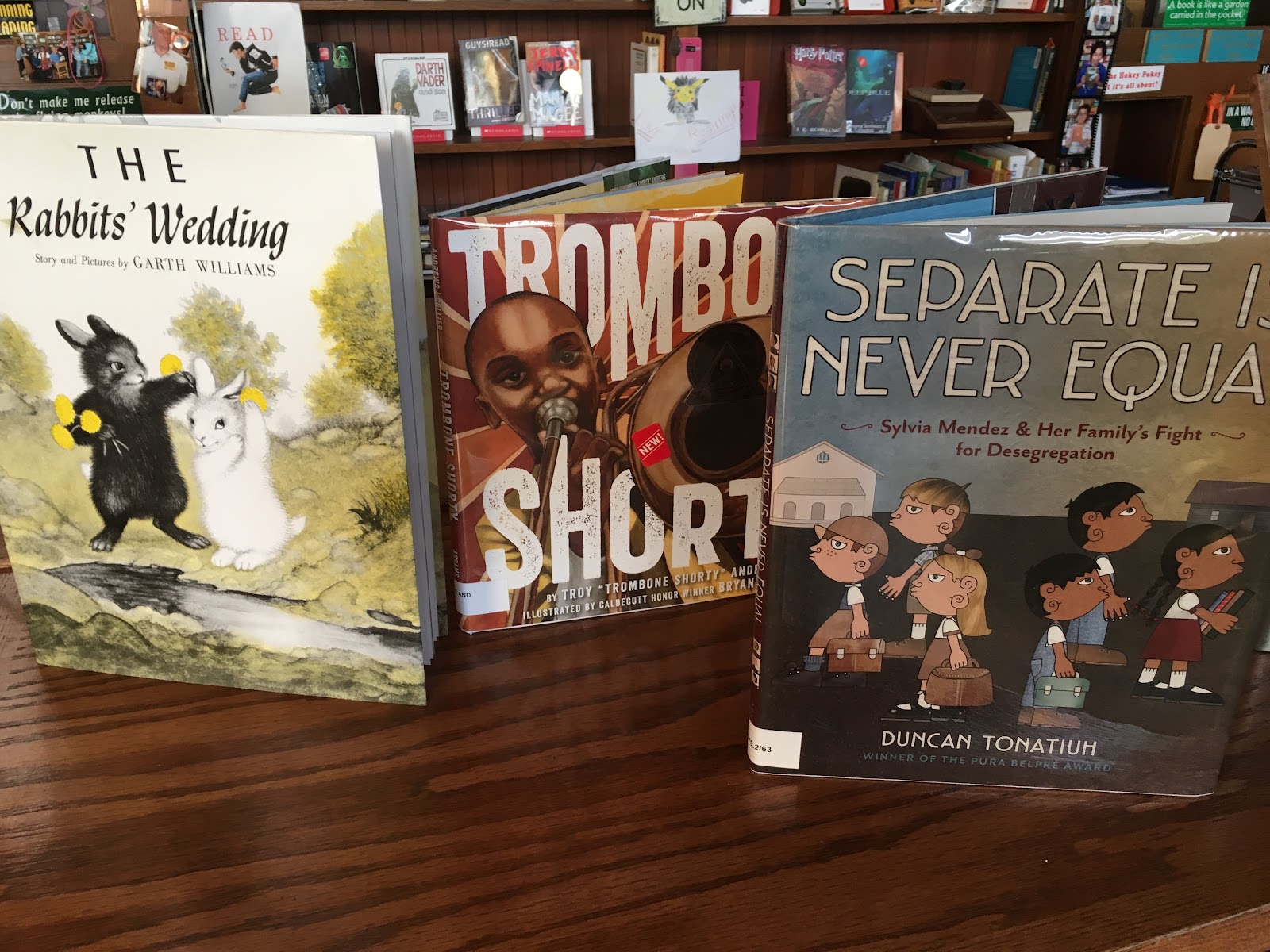
For our STEP UP program this summer, we brought our incoming 6th graders into the library and I read aloud two books to them. Kathryn Otoshi’s One and Todd Parr’s  It’s OK to be Different. As they get ready to come to a large middle school I wanted to have a conversation with them about bullying and about the importance to be able to be themselves and not be pressured to follow other people in middle school when it doesn’t make you feel good. During the middle of the year I read Byrd Baylor’s The Table Where Rich People Sit. This book is so beautifully written and brings the message that you don’t need to have a lot of money to be RICH! I often bring picture books like Jacqueline Woodson’s The Other Side adult pressures to keep children separated, Eve Bunting’s One Green Apple about being a young muslim immigrant, Yoshiko Uchida’s The Bracelet friendship in the times of Japanese Internment, and, The Case for Loving; The Fight for Interracial Marriage to student’s attention during different times of the school year. During Banned Books Week, I introduced The Rabbit's Wedding by Garth Williams and  And Tango Makes Three as just a few of the picture books that have been challenged by the public to be taken off of our shelves.IMG_2159.jpgIMG_5245.jpgIMG_5243.jpg
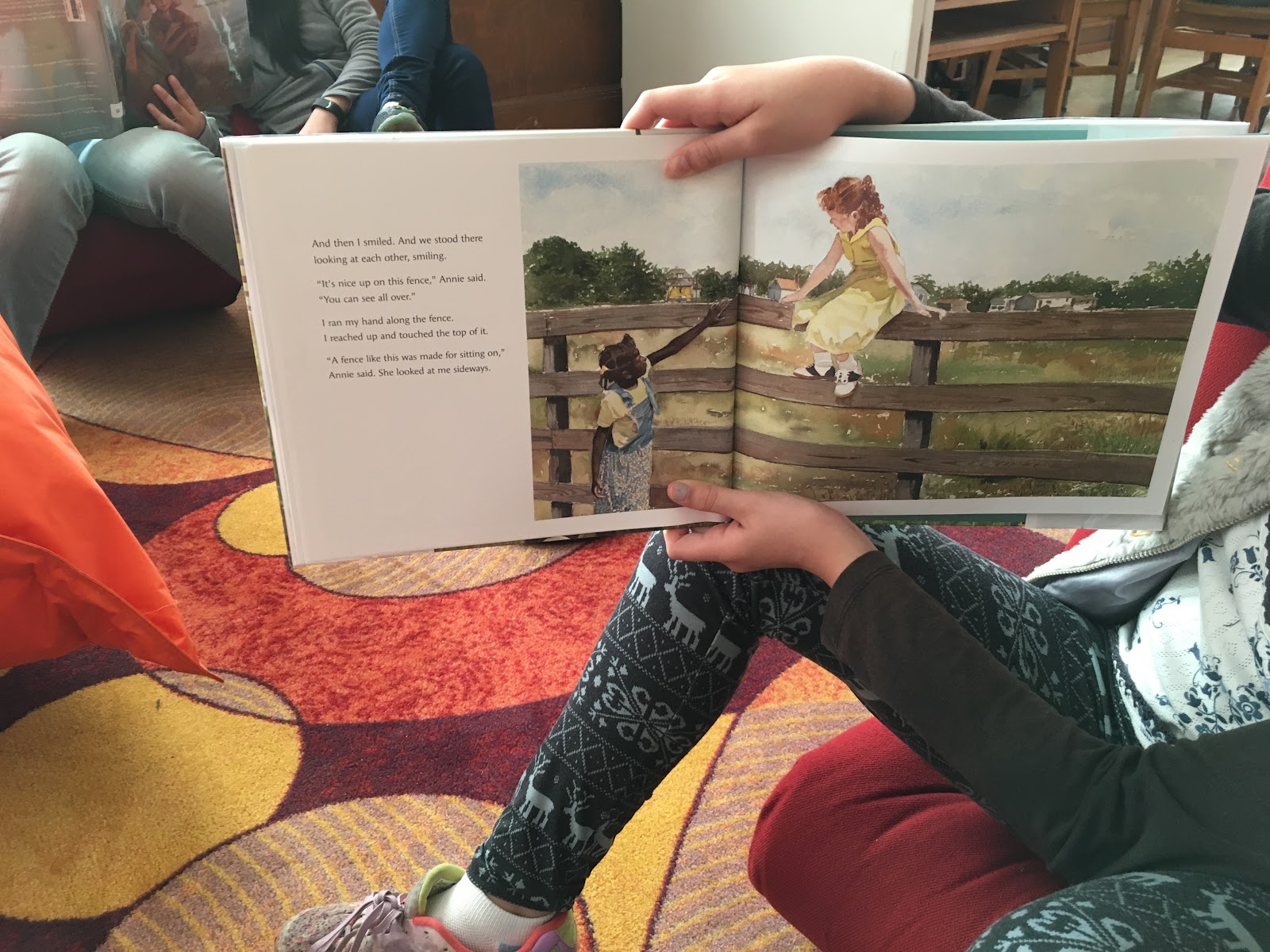
Let Picture Books for Older Readers grow in your library!


Nancy Lucero  TL Sutro Elementary School

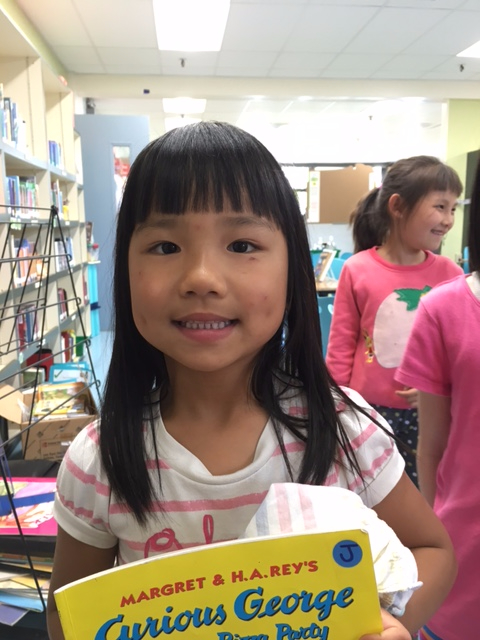
Picture books are a main staple in my elementary school. From preschool to 5th Grade, novice to proficient readers, my students thrive on picture books. Picture books support ALL readers. Ninety-five percent of our students are English language learners. The illustrations in picture books not only help a child’s comprehension or support developing their new language but develops a sense of inclusion.

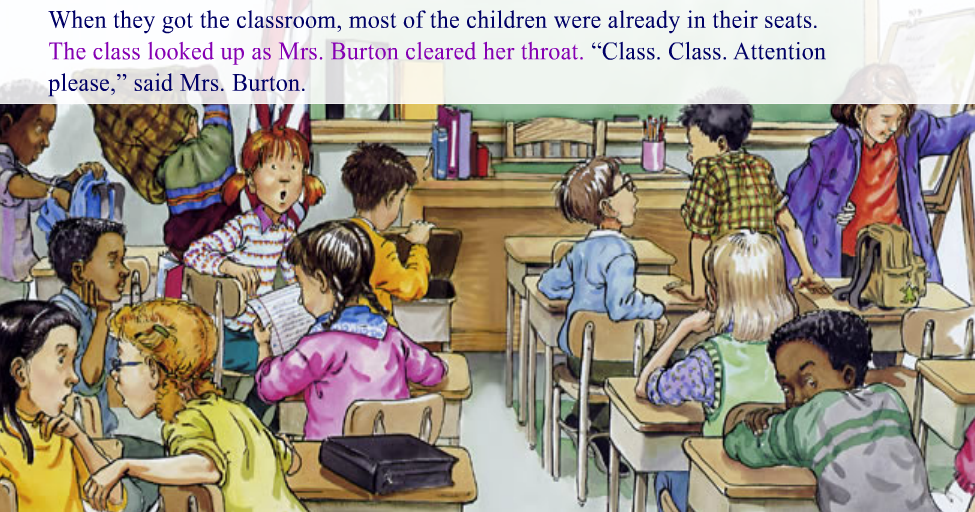
Just recently I introduced the story First Day Jitters by Julie Danneberg. Students were asked to look closely at what was going on in the pictures and share with a buddy. Before too long, students were creating noises taking place in this particular classroom; students whispered,  used loud voices, made bells ring and chairs scraping the floor. Another student mentioned one child sitting all alone and feeling really angry. As in this case, visuals are better to support a child’s understanding of the “whole picture.”
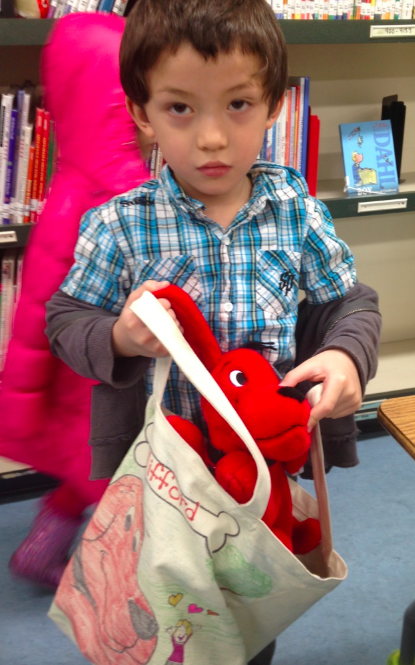


In our library, students can check out a book in a bag with the character of the story. Be it Clifford, Pete the Cat, or Fly Guy, they serve as reading buddies straight out of the book. Often times, I will present a story and provide an activity that allows the students to experience what is going on in the story such as constructing something and then transforming it into something else as in Changes, Changes.  One of the students’ favorite activities is having our own tea party after reading Miss Spider's Tea Party How do I support readers at home as well? I have a treasure box where students can take a book or two to add to their home library. 

Pictures and photos are truly worth a thousand words!